
When it comes to heavy-duty excavation, precision cutting, and efficient trenching, KEMROC Rotary Drum Cutters (RDC) are a trusted choice for contractors across Australia. But with multiple ranges available: KR, KRD, and EKT, choosing the right drum cutter for your excavator can make all the difference in performance, productivity, and longevity.
In this guide, we’ll break down each KEMROC range and help you match the right cutter to your machine and project needs.
Understanding KEMROC Drum Cutter Ranges
KEMROC offers three main drum cutter ranges, each designed for specific applications and excavator classes. Understanding the differences ensures you select the cutter that maximizes efficiency and minimizes downtime.
KR Range: Heavy-Duty Gear Cutters
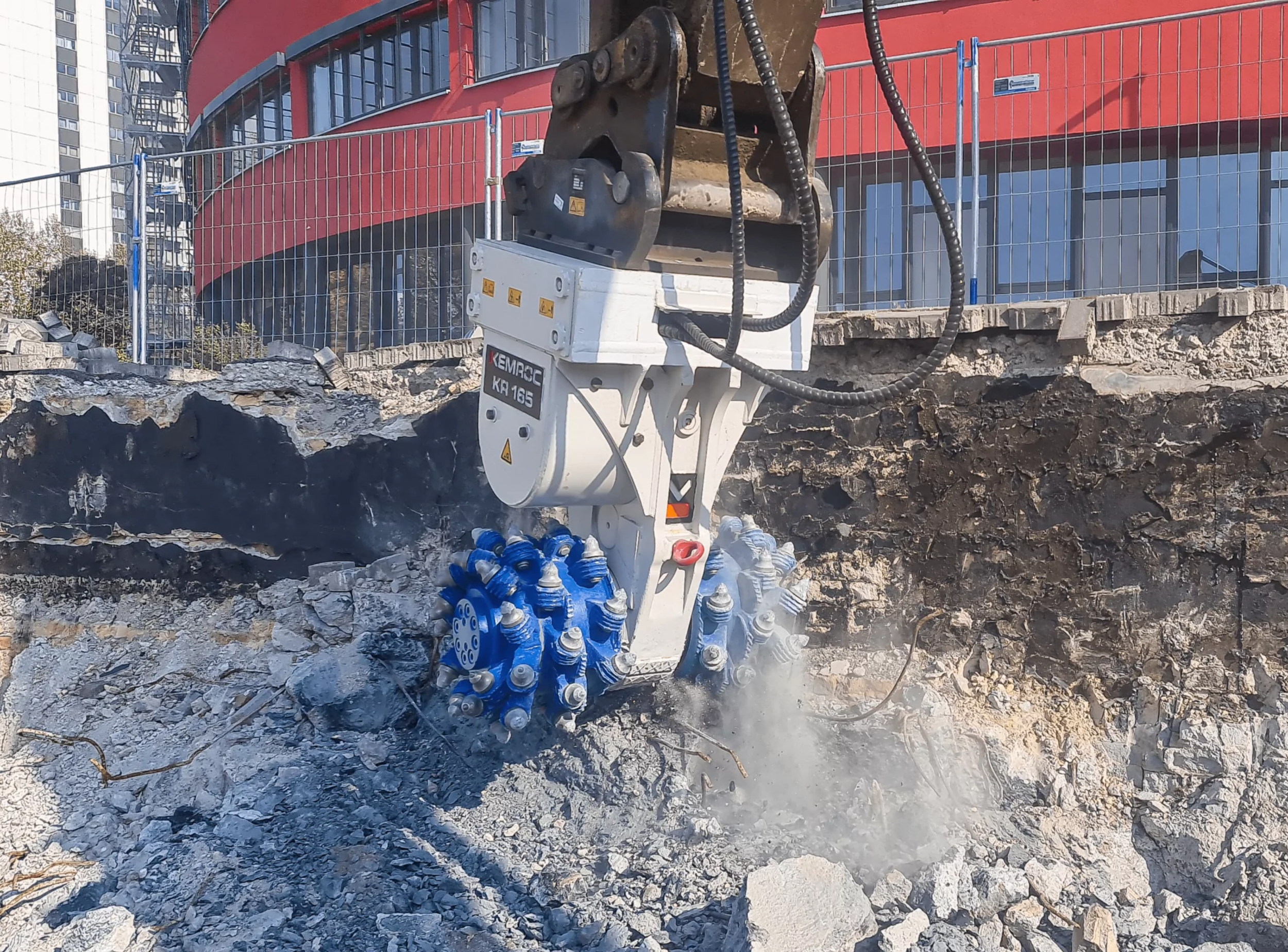
The KR range is engineered for tough rock and trenching applications. Designed for larger excavators, KR cutters feature a robust gearbox, oversized bearings, and high torque for cutting through hard rock with minimal wear.
Ideal applications:
Quarrying and mining
Roadworks and trenching in hard rock
Civil projects requiring maximum cutting power
KRD Range: Compact Direct-Drive Cutters
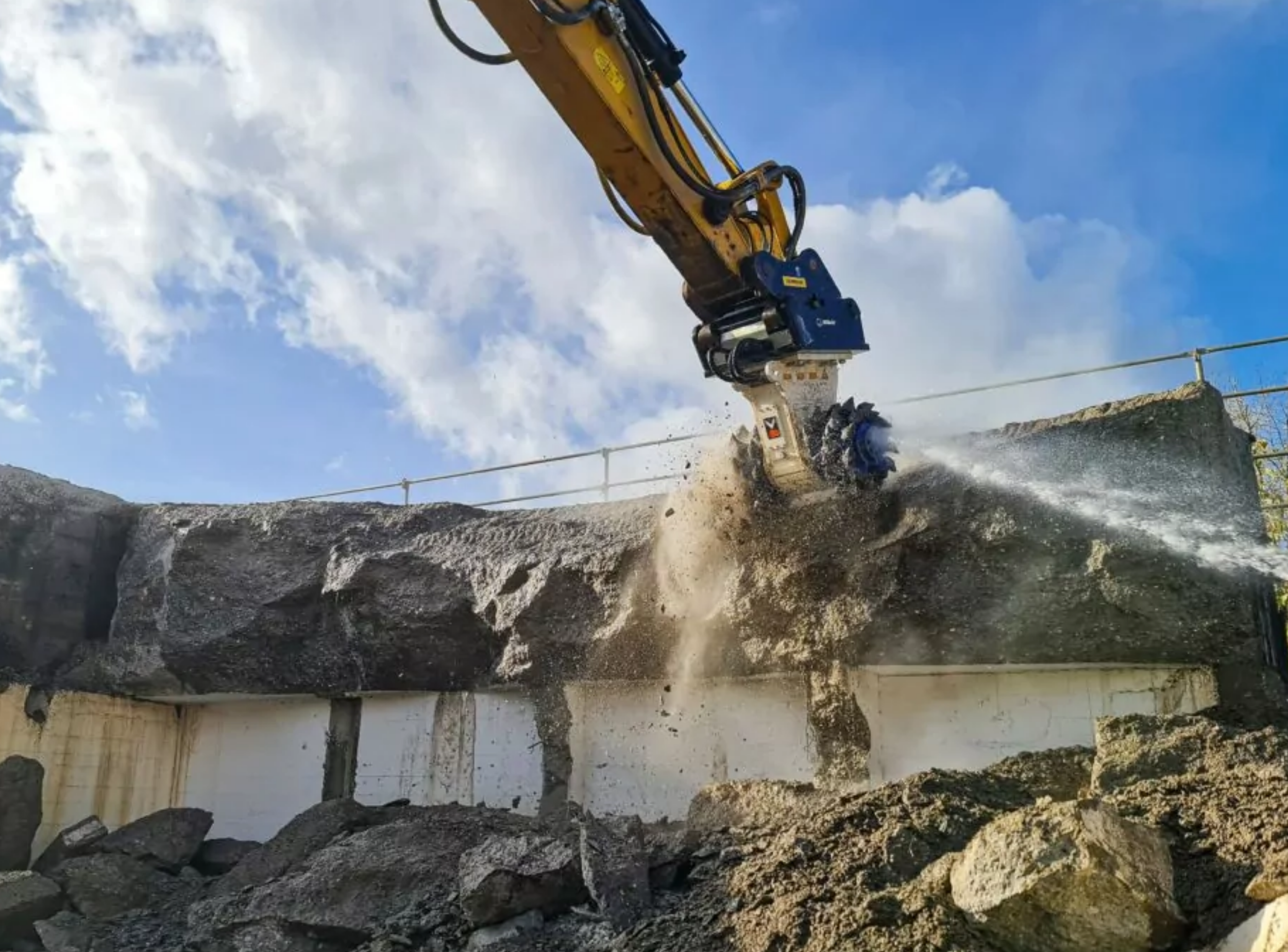
The KRD range is lightweight and compact, making it perfect for smaller excavators or sites with limited space. These direct-drive cutters offer low vibration, high precision, and simple maintenance, making them ideal for jobs that demand accuracy and efficiency.
Ideal applications:
Urban excavation
Pipeline profiling
Concrete renovation and small-scale demolition
EKT Range: Convertible Chain/Drum Cutters
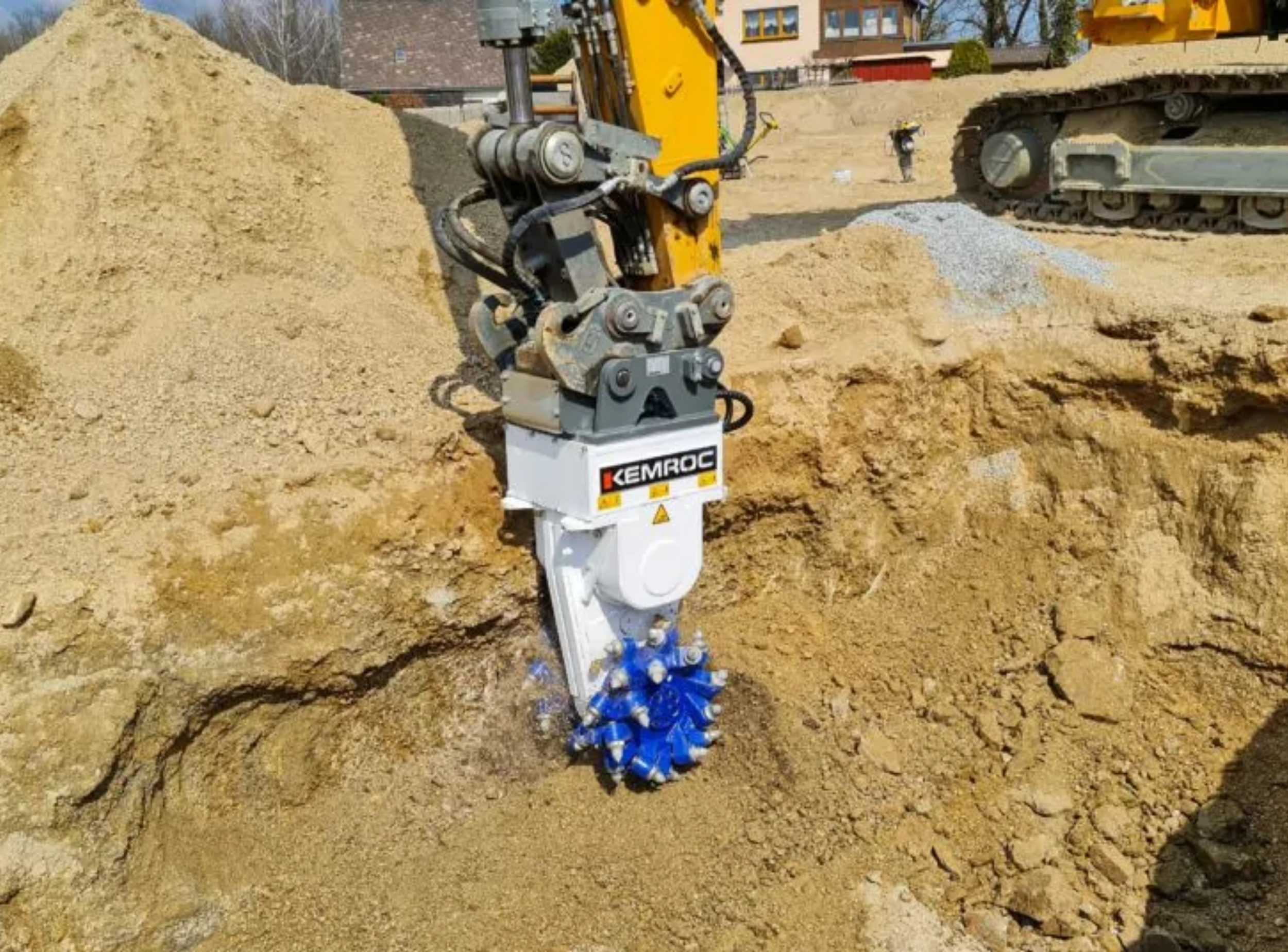
For contractors needing versatility, the EKT range offers a convertible system that can operate as either a rotary drum cutter or a chain cutter. This adaptability allows you to handle different materials and tasks with a single attachment.
Ideal applications:
Projects with varied cutting requirements
Tunneling and demolition work
Jobs requiring both rock and concrete cutting
Matching the Right Cutter to Your Excavator
Choosing the correct drum cutter also depends on your excavator’s weight and hydraulic power. Using a cutter that is too large or too small can lead to poor performance, excessive wear, or even machine damage.
Key considerations:
Small excavators: KRD range for precision and compactness
Medium excavators: KR or smaller EKT models for moderate cutting tasks
Large excavators: KR or full-size EKT models for maximum power and versatility
C2CA experts can guide you to the perfect match for your machine and project requirements.
Factors to Consider When Choosing a Drum Cutter
Selecting the right KEMROC drum cutter isn’t just about matching the cutter to your excavator—it’s about understanding your project requirements, the materials you’re working with, and the worksite conditions. Making the right choice ensures smooth operation, maximizes cutting efficiency, and extends the lifespan of both your cutter and excavator.
1. Material Hardness
Different projects involve varying material types, from soft soil to hard rock or reinforced concrete. KEMROC drum cutters are designed to handle a wide range of materials, but selecting the correct model and cutter teeth is critical:
Rock: Requires heavy-duty cutters with high torque and reinforced gears to manage high resistance and ensure long-term durability.
Concrete: May need precise, low-vibration cutters to prevent overcutting or damaging surrounding structures.
Asphalt: Typically softer than rock but requires cutters designed for smooth profiling and minimal material tearing.
Mixed soil: Lightweight or direct-drive cutters can provide flexibility and efficiency when transitioning between materials.
Using a drum cutter suited to the material hardness reduces wear, prevents unnecessary downtime, and produces a cleaner cut.
2. Jobsite Constraints
The physical environment of your project significantly influences the choice of drum cutter. Factors include:
Limited space: Compact KRD cutters are ideal for tight areas, urban construction, or confined tunnels.
Noise restrictions: Low-vibration drum cutters help meet local noise regulations, especially in residential zones.
Urban locations: Precision cutting reduces the risk of damaging nearby infrastructure, underground services, or sensitive surfaces.
Selecting a cutter that fits the site conditions ensures efficient work without compromising safety or productivity.
3. Precision Needs
Different tasks demand different levels of cutting accuracy:
Profiling: Requires cutters capable of creating smooth, accurate surfaces for downstream construction or finishing work.
Trenching: Needs consistent depth and width for effective utility installation or drainage channels.
Demolition: Often requires controlled material removal to protect surrounding structures and reduce debris.
Matching the cutter to the task type improves output quality and reduces the need for rework.
4. Maintenance Requirements
A well-chosen drum cutter not only improves efficiency but also lowers maintenance costs and downtime. Consider:
Gearbox durability and bearing size for heavy-duty applications
Ease of replacing cutter teeth and wear parts
Hydraulic requirements compatible with your excavator
Proper maintenance planning, combined with selecting the right cutter for your excavator and job, ensures long-term reliability and reduces operational costs.
Need a Kemroc Drum Cutter for Your Worksite? Talk to us at C2CA!
Whether you need the heavy-duty KR, the compact KRD, or the versatile EKT range, KEMROC drum cutters deliver precision, durability, and productivity for every excavator class. By selecting the right range for your project and machine, you maximize efficiency, reduce downtime, and ensure safer worksite operations.
Find your perfect KEMROC drum cutter today with Coast 2 Coast Attachments and elevate your excavator’s performance to the next level.
